Eight thousand pounds is the sweet spot of the British used car market — enough to buy something genuinely good, not enough to attract the “nearly new” premium. It’s the budget where careful buyers drive away in reliable, comfortable cars that last years, and careless buyers inherit someone else’s expensive problems. The difference is method. Here’s how to buy a reliable used car under £8,000 in the UK: which cars to target, how to check them, and how to avoid the traps.
The Golden Rule: Buy Condition and History, Not Badge and Mileage
At this budget, a pampered mainstream car beats a neglected premium one every time. A full-service-history Ford Focus with 70,000 miles will outlast a patchy-history BMW with 50,000 miles — and cost half as much to fix when things wear out. Service history is the single best predictor of reliability at this price: it proves the car was maintained, and maintained cars don’t surprise you.
Mileage matters less than mythology suggests. A motorway-mileage car with 100,000 miles and full history is often healthier than a 40,000-mile car that’s done a decade of short cold-start school runs (which wear engines hardest). Judge the car’s life, not its odometer.
The Reliable Shortlist: What £8,000 Buys
These are the models independent reliability surveys and mechanics consistently praise in this budget:
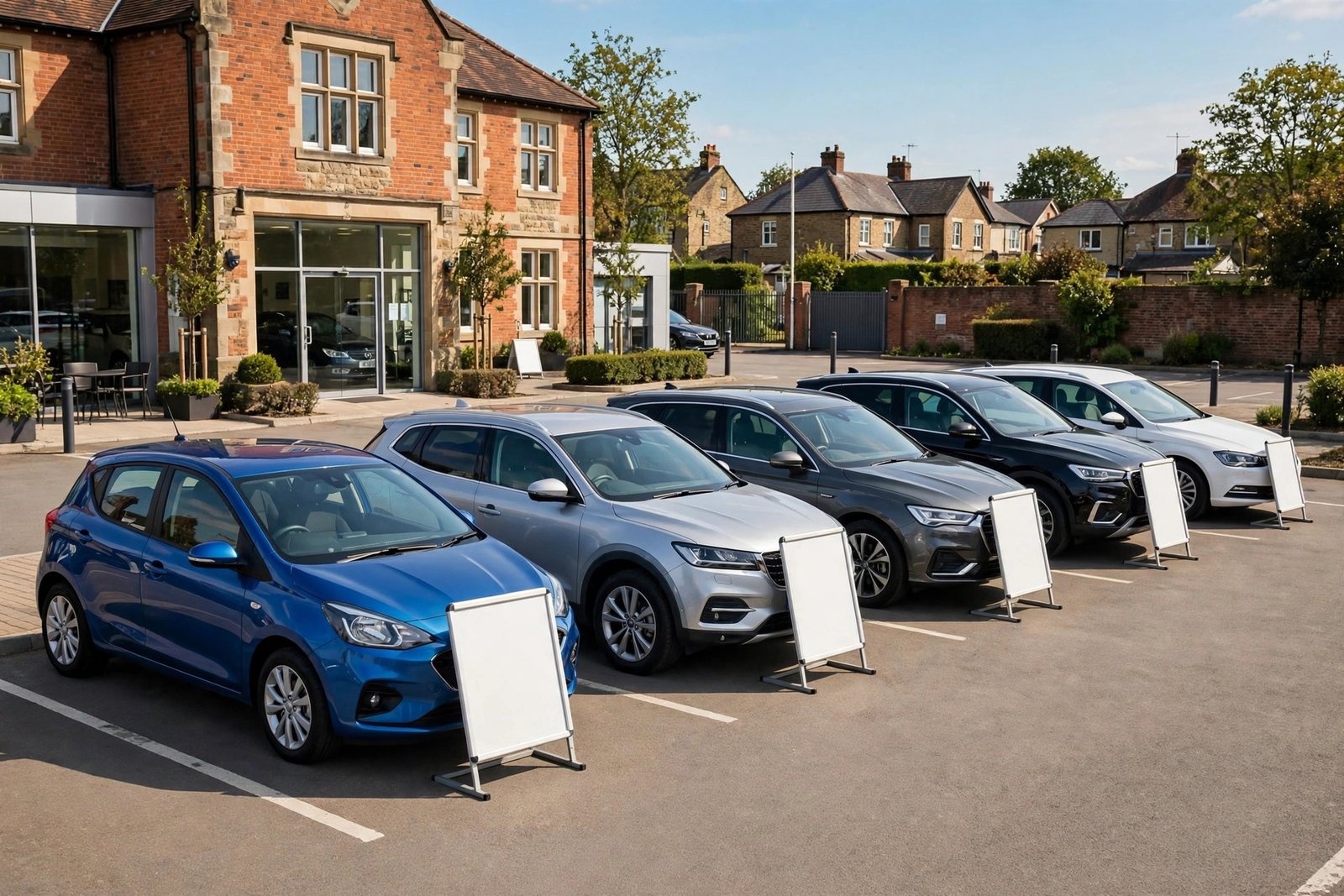
Small/medium hatchbacks: Honda Jazz and Civic (legendary reliability, clever packaging), Toyota Yaris and Auris/Corolla (hybrid versions are superb if in budget), Mazda 3 (reliable and actually nice to drive), Ford Fiesta/Focus (huge parts availability, cheap to fix — avoid the problematic Powershift automatics). Estates: Skoda Octavia (Volkswagen engineering, sensible prices), Honda Civic Tourer. Small SUVs: Honda CR-V and Toyota RAV4 (petrol/hybrid — avoid old diesels for town use).
Approach with caution: German premium badges at this price (cheap to buy, ruinous to fix — a single BMW/Audi/Mercedes repair can exceed the car’s value), complex diesels with DPFs used for short trips, and anything modified (lowered, remapped, aftermarket turbos — someone else’s project is your problem).
The Checking Process: Non-Negotiable Steps
1. MOT history (free): the gov.uk MOT checker reveals failures, advisories, and mileage records. Repeated unresolved advisories = neglect. Mileage going backwards = clocking. Structural corrosion mentions = walk away.
2. Paid history check (£10–£20): outstanding finance, write-off categories, stolen markers. Non-negotiable — a car with hidden finance can be repossessed from you.
3. Service history: stamped book or digital records. Gaps are negotiating points at best, deal-breakers at worst. Cambelt/timing chain status matters enormously — a snapped belt destroys the engine, and replacement is a £300–£600 job that must be done on schedule.
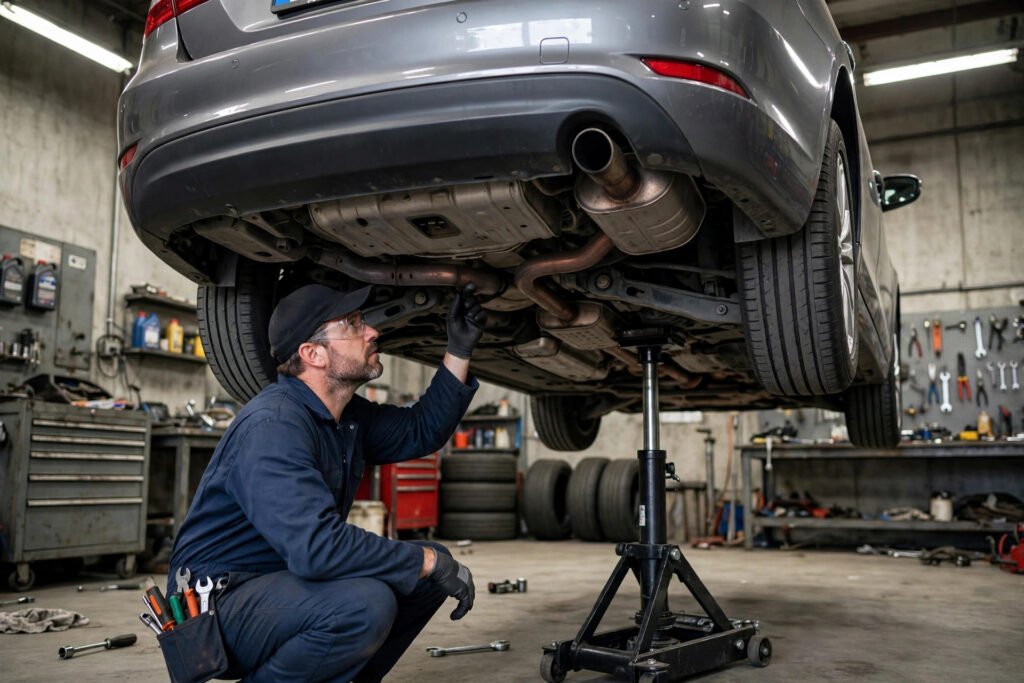
4. Inspection and test drive: cold start, all gears, motorway speed, full-lock turns, every button and switch. Better still: a professional pre-purchase inspection (£100–£200) — the best-value money in car buying.
5. Seller verification: private seller at their home address matching the V5C; dealers give you Consumer Rights Act protection. Never buy without seeing the V5C, and be deeply suspicious of anyone who won’t share the registration before viewing.
Budgeting: The £8,000 Isn’t the Whole Cost
Smart buyers budget £8,000 = car + immediate costs, not £8,000 for the car alone. Set aside: insurance (get quotes before buying — a “cheap” car in a high insurance group isn’t cheap), road tax (check the rate — some cars cost £600+/year), an immediate service and MOT if due (£200–£400), and a £500–£1,000 contingency fund for the inevitable early surprises (tyres, brakes, battery — the holy trinity of used-car first months).
Realistic allocation: spend £6,500–£7,000 on the car, keep the rest for setup and surprises. The buyer who spends the full £8,000 on the car and has nothing left is one failed MOT away from crisis. Budgeting tools help — see the best AI budgeting apps in the UK — and when dealing with online sellers or marketplaces, check the website is safe to buy from first.
Where to Buy: Ranked by Safety
Safest: manufacturer-approved used schemes (younger cars, warranties, rigorous checks — but you’ll get less car for £8,000). Very safe: established independent dealers with strong reviews and warranties — you get Consumer Rights Act protection including 30-day rejection rights for serious faults. Good with diligence: private sellers — often the best value (no dealer margin), but no comeback; your inspection diligence is everything. Risky: auctions (no test drives, sold as seen — for experts only), social media marketplaces (convenient, fraud-rich — verify obsessively), and “a mate of a mate” (the warranty is awkwardness).
Wherever you buy, never pay cash without receipts, never transfer deposits to “hold” a car you haven’t seen, and never feel rushed — pressure is the universal marker of a deal you should refuse.
Negotiating: The Evidence-Based Approach
Private sellers typically price with 5–10% negotiation room; dealers less on already-competitive stock. Negotiate from findings, not feelings: “The MOT history shows rear brake advisories two years running, tyres are near legal minimum (£300), and the service is overdue (£250) — I can offer £X.” Bring printouts. Be polite, be specific, be ready to walk away — and mean it. The market is enormous; no single car is irreplaceable.
Timing helps: dealers chase monthly and quarterly targets (month-end can unlock deals), convertibles are cheaper in winter, and 4x4s cheaper in summer. Buy the car when others aren’t looking.
The MoneyHelper used-car guide and the AA’s buying advice are excellent pre-purchase reading.
Conclusion
Buying a reliable used car under £8,000 is a solved problem: target proven models (Honda, Toyota, Mazda, sensible Fords), demand full service history, run the free and paid checks, inspect properly, budget for setup costs beyond the purchase price, and negotiate from evidence. The reliable £8,000 car isn’t found — it’s selected, through a process that filters out everyone else’s problems before they become yours. Follow the process and you’ll drive away in a car that serves you faithfully for years.
Frequently Asked Questions
What’s the most reliable used car under £8,000?
Honda Jazz, Toyota Yaris/Auris (especially hybrids), and Mazda 3 consistently top reliability surveys in this budget. But condition and service history matter more than the badge — a pampered example of an average model beats a neglected “reliable” one.
How many miles is too many for a used car?
There’s no magic number — maintenance history matters more. A 100,000-mile motorway car with full history is often healthier than a 40,000-mile car that’s done only short cold-start trips. Worry about condition, not the odometer alone.
Should I buy petrol or diesel under £8,000?
Petrol (or hybrid) for most buyers — especially for town driving and lower mileages. Old diesels face ULEZ charges, DPF problems on short trips, and softening residuals. Diesel only makes sense for sustained high-mileage motorway use.
Is it safe to buy a used car privately?
Yes, with diligence — private sales often offer the best value. But you get no Consumer Rights Act protection, so your checks (MOT history, paid report, inspection, seller verification) must be thorough. Never skip the paid history check.
What should I check on the test drive?
Cold start, all gears including reverse, braking in a straight line, full-lock turns both ways, motorway speed stability, and every electrical item. Listen for knocks, whines, and rattles — and trust your instincts if something feels wrong.