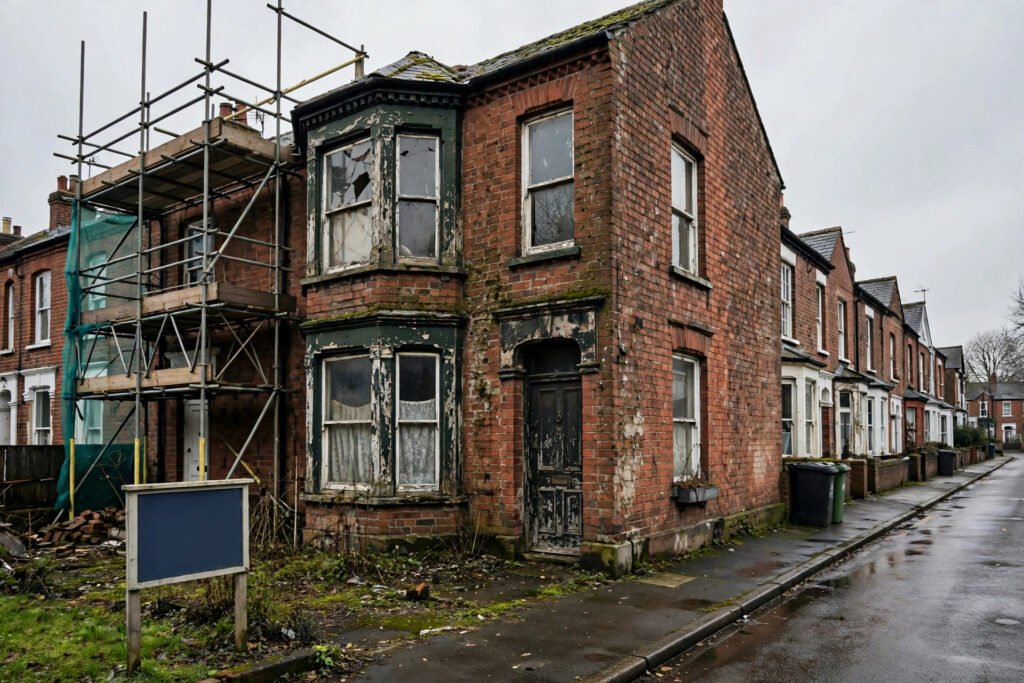
Your council tax bill arrives, the number looks arbitrary, your neighbour pays something different for a near-identical house, and the breakdown mentions precepts, parishes, and police funding in language designed by committee. No wonder council tax feels impossible to understand. The confusion isn’t your fault — the system layers 1991 property valuations, local politics, and multiple funding streams into a single bill. This guide dismantles it piece by piece so you know exactly what you’re paying, why, and what you can do about it.
Why It Feels Random: The Three Layers
Every council tax bill combines three layers. Layer 1: your band (A–H, set from 1991 values — see our guide to council tax bands (A–H, set from 1991 values)). Layer 2: your council’s rate — each billing authority sets its own cash charge per band annually, which is why a Band D costs £1,000 in one town and £2,200 in another. Layer 3: the precepts — extra charges bolted on for the police, fire services, and sometimes parish or town councils, each set by a different body with different priorities.
Your neighbour’s different bill usually comes from layer 1 (different band) or from a parish precept you don’t share (boundary lines are invisible but financially real). Same street, different parish, different bill — maddening, but logical once you see the layers. If your band itself looks wrong, start by understanding how UK tax bills fit together and budgeting for rising household bills while you investigate.
Where the Money Actually Goes
Council tax funds roughly half of local services in many areas (the rest comes from central government grants and business rates). The big-ticket items: adult social care (often the single largest line, and the reason for the separate “adult social care precept” on your bill), children’s services, waste collection and disposal, roads and street lighting, libraries and leisure, and police and fire (via their precepts).
Understanding this reframes the annual increase debate. When bills rise 5%, it’s usually driven by social care costs — an ageing population needing expensive care packages — not by gold-plated town hall spending. You can disagree with the priorities, but the maths is demographic, not decorative. Councils publish detailed budget breakdowns; yours is worth 20 minutes once a year.
The Discounts, Exemptions, and Reductions Nobody Tells You About
A remarkable amount of council tax goes unclaimed in discounts. The essentials:
Single-person discount (25%): if you’re the only adult in the property, you get 25% off — and “adult” has specific disregards (students, live-in carers, the severely mentally impaired don’t count). Councils periodically review this; make sure yours is current.
Empty property and second-home rules: premiums can double or triple bills on long-term empties — check your council’s policy if a property sits vacant during probate or renovation.
Council tax reduction: low-income households can get substantial reductions through their council’s local scheme — this replaced council tax benefit and is not automatic; you must claim. Pensioners have a national framework; working-age rules vary by council.
Disability reductions: properties adapted for a disabled resident (extra bathroom, wheelchair space) can drop a full band.
For the wider tax picture, see how to file a self-assessment tax return in the UK. And if high bills are pushing you to reconsider where you live, finding cheap cottages to rent often means landing in a lower-band area too.
Why Bills Rise Faster Than Inflation (Usually)
Three structural reasons. Social care demand grows faster than the economy — more older people, living longer, needing costly care. Central grants were cut sharply in the 2010s and never fully restored, pushing the burden onto local taxpayers. And referendum thresholds cap rises (currently 5% including the social care precept without a local referendum), which paradoxically encourages councils to raise the maximum every year rather than risk needing more later.
None of this helps your wallet, but it explains the pattern: above-inflation rises are structural, not cyclical. Budget for them continuing.
How to Read Your Actual Bill
Pull out your latest bill and decode it line by line: the billing authority charge (your council’s core amount for your band), the adult social care precept (ring-fenced for care services), the police precept (set by your Police and Crime Commissioner), the fire precept (where separately itemised), and any parish/town precept. Each line has a different decision-maker — which means complaining effectively means complaining to the right one. Objecting to the police precept at your district council meeting misses the target; that’s the PCC’s budget.
Check the discounts applied section too — errors here are common after household changes (a child turning 18, a partner moving out). Councils rely on you to report changes; they don’t detect them automatically.
What You Can Actually Influence
Realistic levers: challenge your band if evidence supports it (see our bands guide); claim every discount you’re entitled to; pay by direct debit over 12 months instead of 10 to smooth cash flow (your right on request); engage with budget consultations — councils must consult, and organised responses do shift priorities at the margins; and vote in local and PCC elections, where turnout is low and each vote carries unusual weight.
What you can’t do: refuse to pay in protest (arrears escalate fast — liability orders, bailiffs, and it is enforceable as a priority debt), or assume moving one street over fixes it (check the actual band and precepts first).
The official council tax guidance covers rules and appeals, and MoneyHelper offers free help if bills are becoming unmanageable.
Conclusion
Council tax confusion comes from three layers — ancient valuations, local rate-setting, and multiple precepts — interacting opaquely. Once you separate them, the bill becomes legible: you can verify your band, claim your discounts, direct complaints to the right body, and budget for structural rises. It’s still an imperfect tax on an imperfect valuation. But it’s no longer a mystery — and mysteries are always the most expensive kind of bill.
Frequently Asked Questions
Why does my neighbour pay less council tax than me?
Usually a different band (check the VOA listings), a different parish precept, or a discount they claim that you don’t (single-person, student disregard). Same street doesn’t mean same bill.
What is the adult social care precept?
An additional charge councils can levy specifically to fund adult social care, shown separately on your bill. It’s part of why bills rise faster than general inflation — social care costs are growing structurally.
Can I pay council tax over 12 months instead of 10?
Yes — it’s your legal right. Contact your council and request 12 monthly instalments; it reduces each payment and smooths budgeting, at no extra cost.
What happens if I can’t pay my council tax?
Contact your council immediately — they must consider repayment plans, and you may qualify for council tax reduction. Ignoring it escalates quickly to liability orders and enforcement agents. It’s a priority debt: deal with it before non-priority debts.
Do renters or landlords pay council tax?
Usually the occupier (tenant) pays. Landlords pay for empty properties, HMOs in some areas, and where tenancies are under six months in certain cases. Check your tenancy agreement and council rules.
Why do two identical houses on the same street have different bands?
Usually one was extended or converted without triggering re-banding, or the original 1991 valuations simply differed. Bands reflect estimated 1991 values, not current ones — so identical houses can legitimately sit in different bands if their 1991 estimates differed.