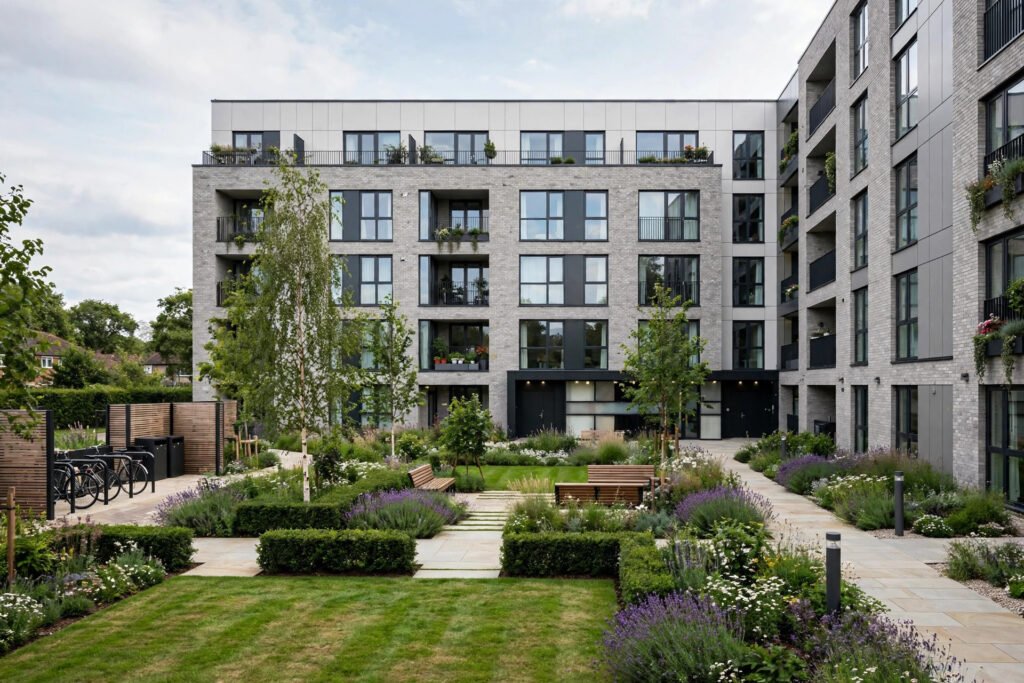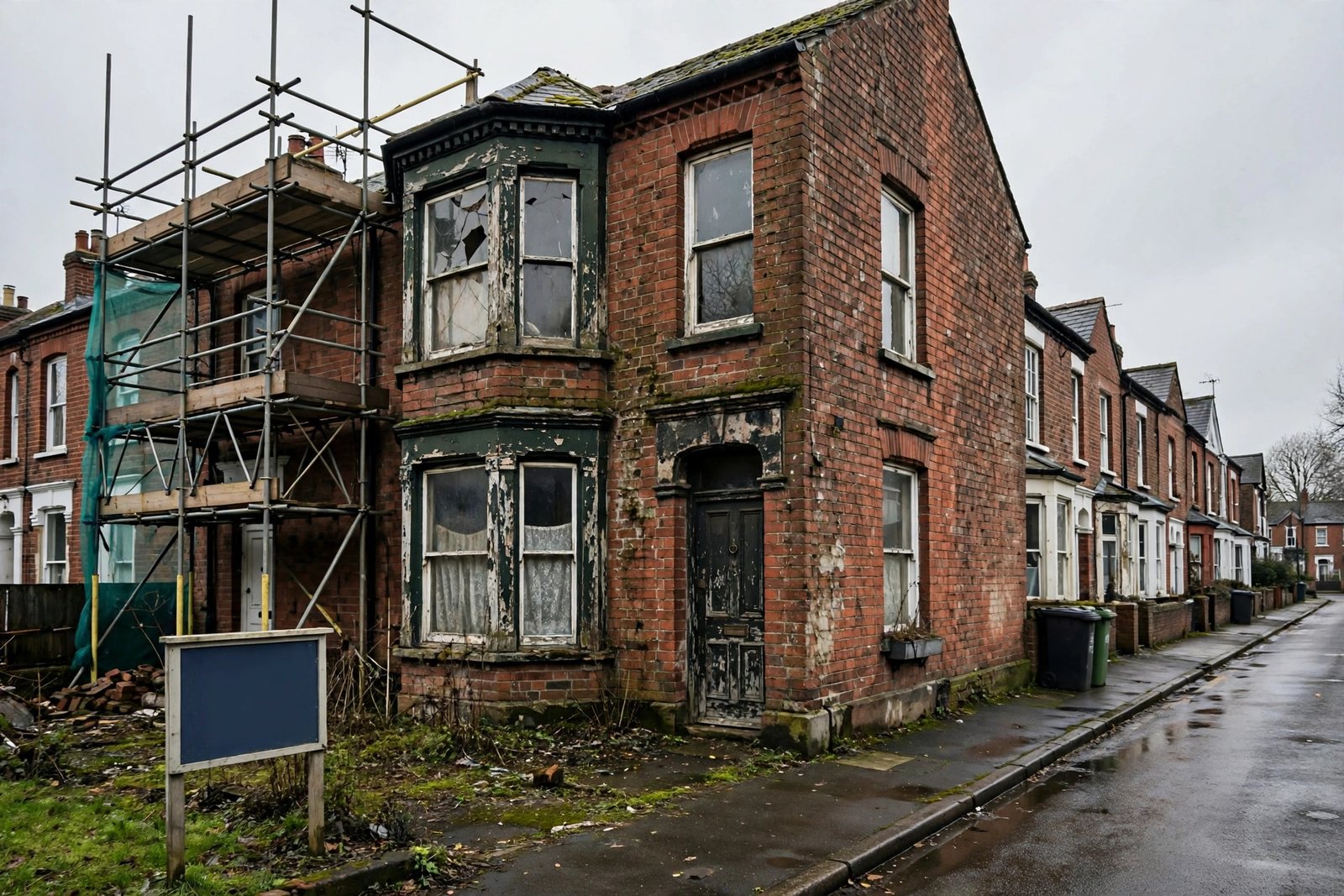
The listing says “repossessed property — priced for quick sale,” and the discount looks delicious: 15–25% below market value for a three-bed semi that needs “some updating.” Repossessed properties — homes seized by lenders after mortgage default and sold to recover the debt — can be genuine bargains. They can also be money pits with legal complications, hidden damage, and competition from professional investors who do this for a living. So is buying a repossessed property safely in the UK worth it? Yes — if you understand exactly what you’re buying and price the risks properly. Here’s the full picture.
Why Repossessed Properties Are Cheaper (and What That Discount Buys)
Lenders selling repossessions have one goal: recover the outstanding debt, not maximise price. They’re legally obliged to obtain a reasonable price, but “reasonable” for a bank means a quick, certain sale — which translates to discounts of typically 10–25% below market value. The discount compensates you for three things: condition risk (you usually can’t view properly, and former owners facing repossession rarely maintain the property lovingly), speed (sellers want fast completion; chains are unwelcome), and competition dynamics (you’re bidding against cash-rich investors).
Understand this and the “bargain” reframes: you’re not getting something for nothing — you’re being paid to absorb uncertainty and move fast. Whether that’s worth it depends on your risk tolerance, skills, and financing.
Where to Find Them
Estate agents: many repossessions are sold through ordinary agents, listed on the portals with “repossession” discreetly noted or euphemised as “sold by mortgagees in possession.” Ask local agents directly — they often know what’s coming.
Auctions: the classic channel. Auction catalogues list repossessions regularly, and the 28-day completion timeline suits the seller’s need for speed. But auctions demand preparation: legal packs reviewed before bidding, financing arranged, and the discipline to stop at your limit.
Specialist websites: several UK sites aggregate repossession and distressed-sale listings. Quality varies — treat them as lead generators, not gospel.
Direct from lenders: some lenders list repossessions on their own asset-management pages. Worth checking, though inventory is thin at any given moment.
The Risks: What Can Go Wrong
Condition: assume the worst until proven otherwise. Stripped kitchens, damaged plumbing (sometimes deliberately), damp from months empty, neglected roofs. Budget a contingency of 15–20% on top of your renovation estimate — repossessions specialise in nasty surprises. Get a full structural survey, not just a mortgage valuation; the few hundred pounds could save tens of thousands. If the property needs electrical work, know what rewiring costs before you bid.
Legal complications: check for outstanding charges, boundary disputes, and — critically — that the repossession itself was lawful and complete. Your conveyancer must verify clean title; repossession sales occasionally carry legal loose ends.
Occupants: ensure the property is genuinely vacant. Evicting remaining occupants (former owners or tenants) is slow, costly, and miserable. Never assume — verify vacant possession contractually.
Overpaying: the “discount” is versus market value, but auction fever and investor competition can erase it. Set your maximum price from renovated value minus costs minus profit margin, not from the guide price — and walk away when bidding passes it.
Financing: Harder Than a Normal Purchase
Standard mortgages on repossessions are trickier: many lenders won’t lend on properties without a working kitchen or bathroom, or on homes deemed uninhabitable. Bridging finance is the common tool — fast, expensive, and repaid by refinancing onto a normal mortgage after renovation (or by selling). This means your financing has two stages, each with costs and risks; model both before committing.
Cash buyers dominate this market for good reason: no lender delays, no valuation disputes, no chain. If you’re mortgaging, get a decision in principle from a lender experienced with non-standard properties, and have your broker confirm the specific property type is acceptable. Discovering your lender won’t touch it after you’ve won at auction is a £10,000+ mistake (lost deposit and fees).
Doing It Safely: The Checklist
1. View if at all possible — and take a builder. Their 30-minute walk-through spots what you’ll miss. 2. Full structural survey — non-negotiable. 3. Legal pack reviewed by your conveyancer before auction bidding. 4. Finance confirmed in writing for this property type. 5. Renovation quotes from tradespeople, not guesses — with 15–20% contingency. 6. Maximum price set in advance — renovated value, minus purchase costs, minus renovation, minus contingency, minus your required margin. 7. Vacant possession verified. 8. Insurance arranged from exchange — empty properties need specialist cover.
For the selling side of the equation when you’re done, how UK estate agents use AI shows how marketing has evolved, and the government’s buying and selling guidance covers the legal process. MoneyHelper has impartial cost breakdowns for the whole journey.
Who Should (and Shouldn’t) Buy Repossessions
Good candidates: experienced renovators, builders and tradespeople (your labour is your margin), cash buyers, and investors with bridging experience. Poor candidates: first-time buyers (you need a straightforward purchase, not a project with legal quirks), anyone stretching their budget (no contingency = danger), and the time-poor (repossessions demand intense management).
The honest test: if the property needed £20,000 more work than expected and took three months longer, would you survive financially and emotionally? If not, this isn’t your purchase.
Conclusion
Buying a repossessed property safely in the UK is worth it when the discount genuinely compensates the risks — and only when you’ve verified condition, title, vacant possession, and financing before committing a penny. The professionals who profit from repossessions do so through discipline: surveys, quotes, maximum prices, and walking away. Adopt their discipline and the “bargain” can be real. Skip it, and the discount is just the first instalment of a very expensive education.
Frequently Asked Questions
How much below market value are repossessed properties?
Typically 10–25%, though hot markets and auction competition can shrink this. The discount reflects condition risk, the seller’s need for speed, and limited viewing access — price it as compensation for risk, not free money.
Can I get a mortgage on a repossessed property?
Sometimes — if it’s habitable with working kitchen and bathroom, standard mortgages may work. Derelict properties usually need bridging finance first, refinanced onto a mortgage after renovation. Confirm lender acceptance before committing.
Can I view a repossessed property before buying?
Often yes via estate agents, though access can be limited and viewings brief. At auction, viewings are usually offered but the property is sold as seen — which is why surveys and builder walk-throughs matter so much.
What are the biggest risks with repossessions?
Hidden condition problems, legal/title complications, remaining occupants, and overpaying in competitive bidding. Each is manageable with proper diligence — surveys, conveyancing checks, vacant-possession verification, and a pre-set maximum price.
Do I need cash to buy at auction?
Not necessarily, but you need finance that can complete in 28 days — usually bridging or a pre-arranged specialist mortgage. Standard mortgage timelines don’t fit auction contracts, and failing to complete means losing your deposit.
Are repossessed properties always leasehold traps?
No, but check carefully — some repossessed flats come with short leases or high service charges that the previous owner was already struggling with. The same diligence you’d apply to any leasehold purchase applies doubly here, since arrears may have accrued.