You’re standing on a forecourt in London, keys to a nearly-new Golf in your hand, when a horrible thought strikes: what if this car was written off last year, clocked, stolen, or still owned by a finance company? Every year, thousands of British buyers discover their “bargain” comes with hidden history — outstanding finance, accident damage, mileage fraud, or a stolen identity. A proper used car history check takes 20 minutes and costs less than a tank of fuel. Here’s exactly how to do it before you buy.
Start Free: The Government Checks
Before spending a penny, run the free official checks. The MOT history service is a goldmine: enter the registration and see every MOT test, including failures, advisories, and recorded mileages going back years. What to look for: mileage inconsistencies (odometer readings that go down between tests = clocking), repeated advisories never fixed (neglect), failure patterns (structural corrosion mentions are serious), and gaps (no MOT for years can mean the car was off-road — or on false plates).
Then check the DVLA vehicle information service — free, instant confirmation of make, model, colour, engine size, tax status, and when the MOT expires. If the seller’s description doesn’t match the DVLA record exactly, walk away: cloned plates are a real fraud, and mismatches are the tell.
The Paid History Check: What £10–£20 Buys
Free checks don’t reveal the big three: outstanding finance (if the previous owner still owes money, the finance company can repossess your car), insurance write-off status (Categories A, B, S, N — each meaning something different for safety and value), and stolen records (police markers). Paid checks from established providers (HPI Check, Experian AutoCheck, and similar) query these databases in one report.
What the categories mean: Cat A/B — must be crushed, should never be on the road; if offered one, it’s criminal. Cat S (structural damage) and Cat N (non-structural) — can be repaired and returned to the road legally, but must be declared and are worth 15–30% less. A Cat S/N car isn’t automatically bad — many are properly repaired — but the discount should be real and the repair documented.
Also check: number plate changes (frequent changes can hide history), import/export markers, and mileage discrepancies across all data sources. One clean report from a reputable provider beats three cheap ones from unknown sites — and never trust a “history check” the seller provides themselves.
Inspecting the Car: What History Can’t Tell You
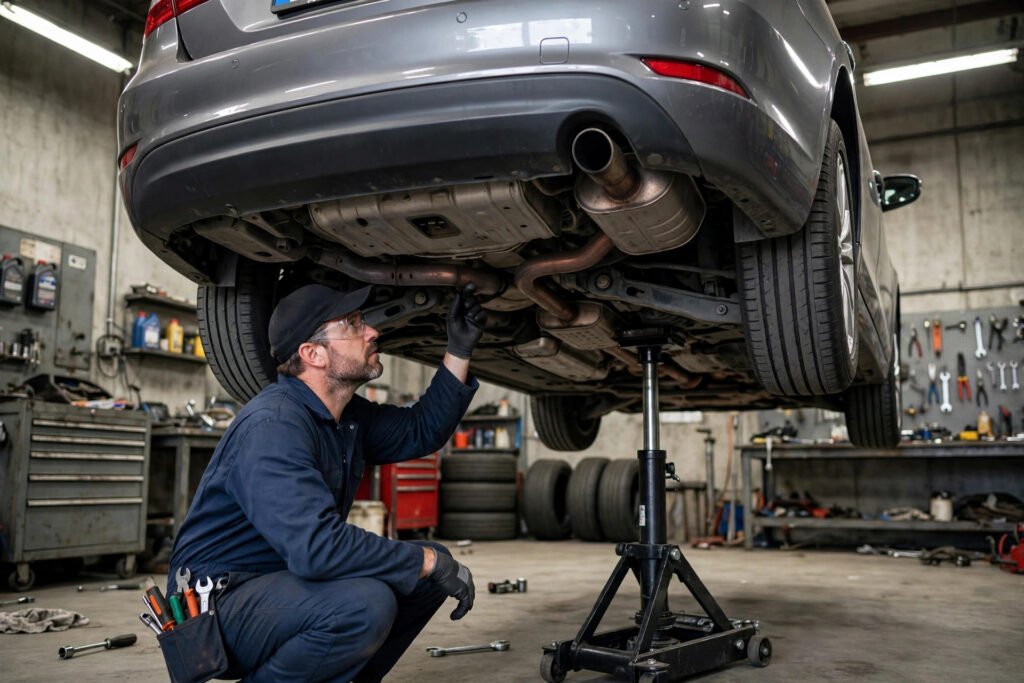
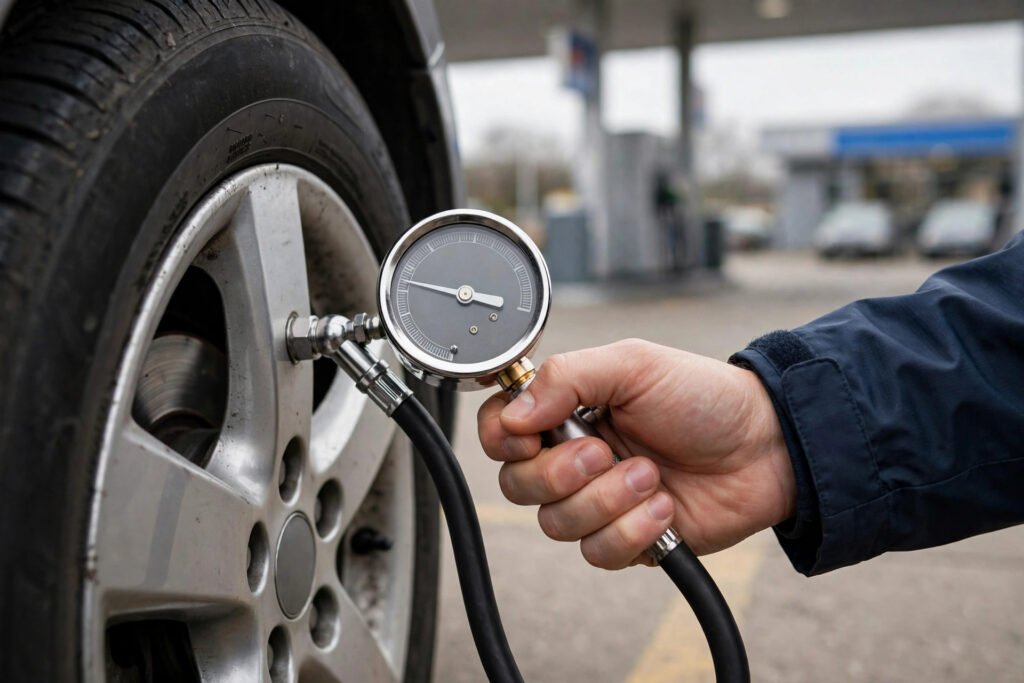
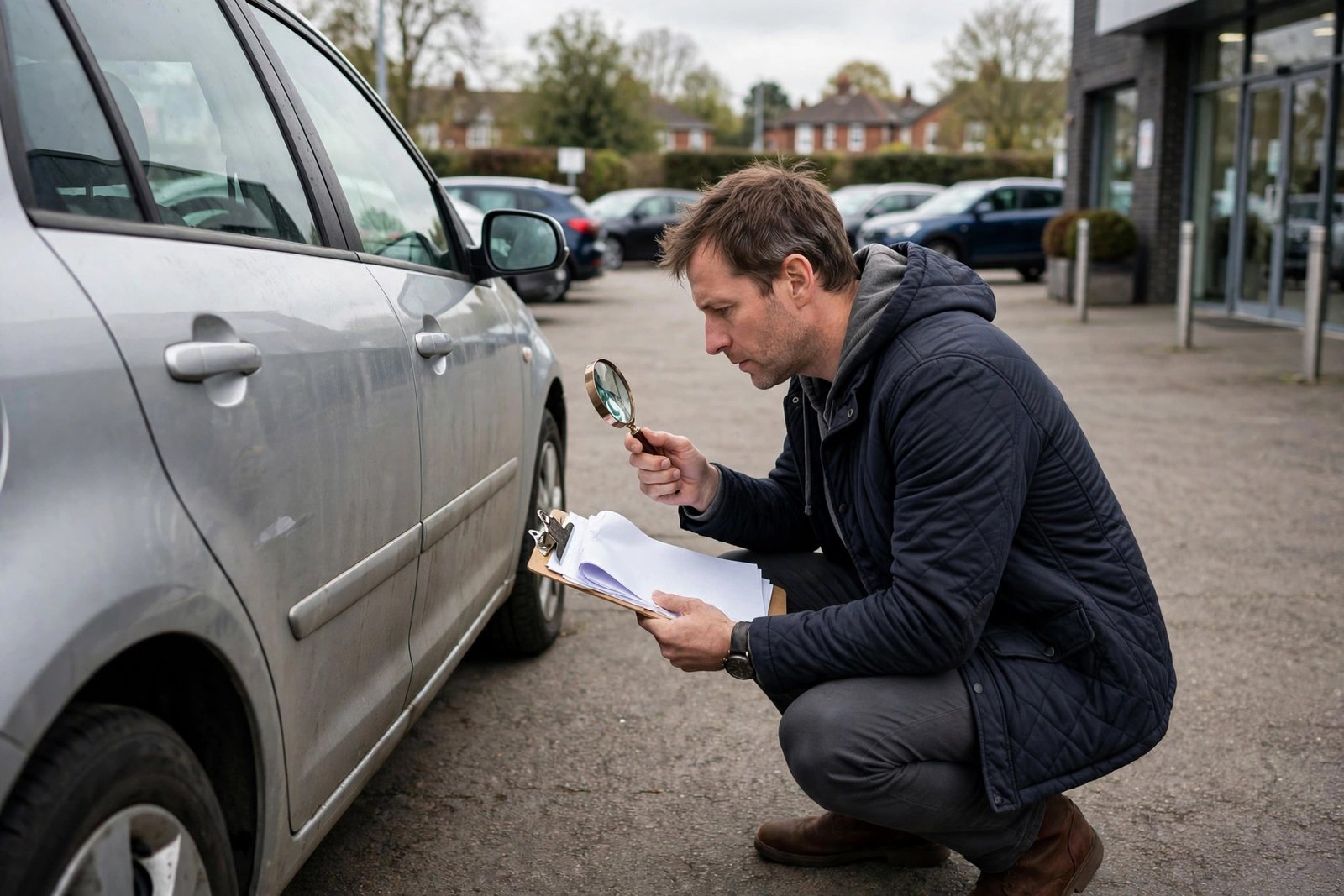
Data tells you the past; your eyes tell you the present. Bodywork: inconsistent panel gaps, mismatched paint shades between panels, overspray on trims — all whisper “accident repair.” Interior: a worn driver’s seat and shiny steering wheel on a “30,000-mile” car screams clocking; pedal rubbers wear with use too. Under the bonnet: check oil (milky = head gasket trouble), coolant level, and belt condition. Tyres: uneven wear suggests alignment or suspension issues.
The test drive is non-negotiable: cold start (listen for rattles), all gears, braking in a straight line, full-lock turns (clicking = CV joints), and every electrical item — windows, air con, lights, infotainment. Twenty focused minutes reveals more than an hour of admiring the paintwork.
For significant purchases, a professional pre-purchase inspection (£100–£200 from the RAC, AA, or an independent specialist) is the best money in car buying. They’ll spot what you can’t — and their report is negotiating ammunition.
Checking the Seller (As Important As the Car)
Private sellers: meet at their home address (matches the V5C logbook), ask why they’re selling, and check their ID matches the documents. Be wary of sellers with multiple cars “for a friend” — undeclared traders dodging consumer-protection obligations. For online dealings, checking if a website is safe to buy from applies to car platforms too.
Dealers: you get Consumer Rights Act protection (the car must be of satisfactory quality, fit for purpose, as described — with a 30-day right to reject serious faults). Check reviews, confirm how long they’ve traded, and get every promise in writing. Avoid: sellers who won’t share the registration before viewing (hiding history), pressure tactics (“someone else is coming at 3”), cash-only demands, and prices far below market — the oldest trap in the book.
Documents to see: V5C logbook (check the watermark, and that the seller is the registered keeper — though note keeper ≠ legal owner), service history (stamped book or digital records — gaps matter), MOT certificates, and receipts for recent work. Photograph everything.
Negotiating With History in Hand
Every flaw you find is a negotiating point — but negotiate from evidence, not aggression. “The MOT history shows advisories on the rear brakes two years running, and the service book has a two-year gap — I’d like £800 off to cover a full service and brake work” works. “Knock a grand off” doesn’t. Get quotes for the work needed so your ask is anchored, and be prepared to walk away — the strongest negotiating position is genuine indifference, and there’s always another car.
Once it’s yours and the family piles in, keeping kids entertained on long car journeys becomes the next challenge — consider it a reward for diligent checking.
Conclusion
Checking a used car’s history is a 20-minute, £20 discipline that protects a £10,000 decision: free MOT and DVLA checks first, a paid report for finance/write-off/stolen markers, a sharp-eyed inspection and test drive, seller verification, and documented negotiation. The buyers who get burned are never the ones who checked too much — they’re the ones who fell in love with the car before checking anything. Check first, fall in love after.
Frequently Asked Questions
What’s the difference between Cat S and Cat N write-offs?
Cat S means structural damage (chassis, frame) that was repaired; Cat N means non-structural damage (electrics, cosmetics). Both can legally return to the road, both must be declared, and both should command a 15–30% discount versus clean-history equivalents.
Can a finance company take my car if the previous owner owed money?
Yes — outstanding finance attaches to the vehicle, not just the borrower. This is the single most important reason for a paid history check: without it, you could lose the car despite paying in full.
How can I tell if a car’s mileage has been clocked?
Cross-reference MOT history mileages (free on gov.uk) against the odometer — readings that decrease between tests prove tampering. Also check wear: seats, steering wheel, and pedals should match the claimed mileage.
Should I buy a car without a service history?
It’s a significant risk — no history means no evidence of maintenance. Either budget for immediate full servicing and price the risk in, or keep looking. Full dealer service history is the gold standard for used values.
Is a pre-purchase inspection worth £150?
On any car over a few thousand pounds, absolutely. Inspectors find issues invisible to buyers — and every fault found is either a reason to walk away or a quantified negotiating discount that typically repays the fee many times over.
What should I do immediately after buying a used car?
Tax it (it doesn’t transfer with the car), insure it before driving, and book a full service unless the history proves one was just done. Then change all the locks’ worth of knowledge: learn where the locking wheel nut key lives, check the spare, and read the manual for anything unfamiliar.