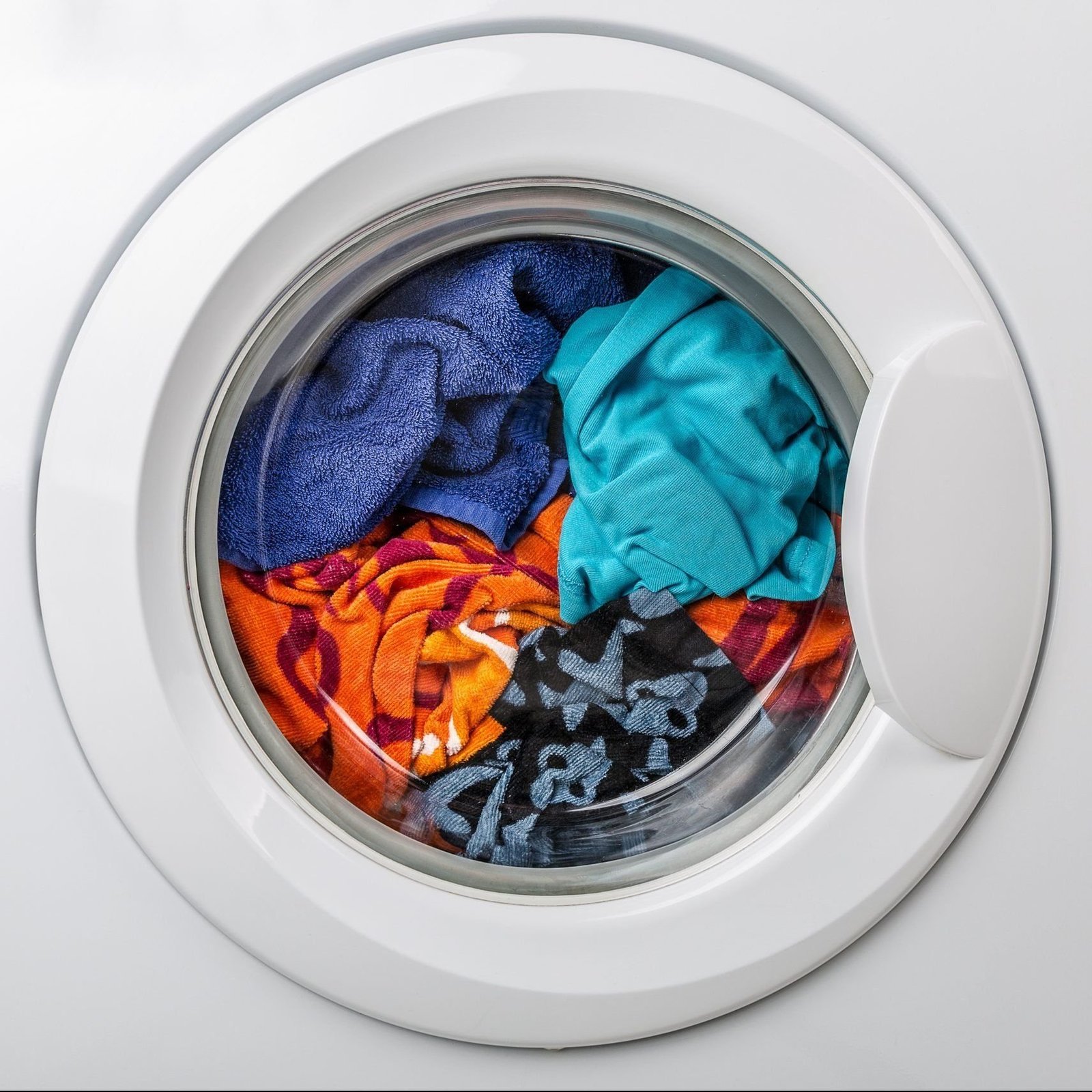
Why do my clothes shrink in the wash and how do I stop it? The favourite jumper that now fits a child, the jeans that lost two inches, the t-shirt that’s suddenly a crop top — shrinkage is the laundry heartbreak we all know. I’ve shrunk my share (including a beloved wool jumper that became a doll’s blanket), and the frustrating part is it’s almost entirely preventable. Here’s why it happens, which fabrics are the culprits, and the exact washing routine that stops it.
The science, briefly: shrinkage happens when heat, moisture and agitation cause fibres to contract and tighten. It occurs in three ways: relaxation shrinkage (fabric stretched during manufacturing relaxes back in the first wash — mostly unavoidable, which is why pre-washed/pre-shrunk exists), felting shrinkage (wool and animal fibres — the scales on the fibres lock together permanently under heat and agitation; this is irreversible), and consolidation shrinkage (repeated washing gradually tightens the weave — slow, cumulative, preventable). Knowing which you’re dealing with tells you whether it’s fixable.
Why clothes shrink in the wash: the fabric culprits
- Wool: the worst offender — hot water + agitation = felting = permanent shrinkage. A hot wash can shrink wool 30%+. Always cold, always gentle, ideally hand wash or wool cycle.
- Cotton: shrinks 3–5% typically, mostly in the first wash. Hot water and tumble drying accelerate it dramatically. Pre-shrunk cotton (most quality brands) minimises this.
- Linen: shrinks similarly to cotton; also wrinkles, which is its nature, not a flaw.
- Rayon/viscose: shrinks and weakens when wet — handle gently, never wring.
- Denim: unsanforized denim shrinks significantly (that’s the raw-denim ritual); sanforized (most high-street) shrinks minimally.
- Synthetics (polyester, nylon, acrylic): barely shrink — heat can damage them (melting, warping) rather than shrink them. Different problem, same solution: cool wash.
The anti-shrinkage washing routine
- Cold water (30°C or below): the single biggest factor. Heat is the primary shrink trigger — cold wash prevents most shrinkage across all fabrics.
- Gentle cycle: less agitation = less felting and consolidation. Delicates/wool cycles exist for a reason.
- Skip the tumble dryer: the dryer’s heat + tumbling is shrinkage central. Air dry whenever possible — it’s also better for the planet and your energy bill. (See how do i clean white trainers so they stay white for why dryers are bad generally.)
- Don’t overfill: cramming increases friction and agitation damage. Clothes need room to move.
- Wash inside out: protects the outer surface and reduces friction on prints and delicate fibres.
- Reshape while damp: for knits especially — lay flat and gently reshape to original dimensions before drying. This alone prevents most knit shrinkage.
- Read the label: genuinely — the care symbols exist because the manufacturer tested them. “Cold wash only” means it.
What to do when it’s already shrunk
For mild shrinkage (cotton, non-felted): soak in lukewarm water with hair conditioner or baby shampoo (relaxes fibres) for 10–15 minutes, then gently stretch back to shape and lay flat to dry, pinning if needed. This works surprisingly well — 1–2 inches recoverable on t-shirts and jumpers.
For wool felting: honestly, severe felting is irreversible — the fibres have locked. Mild cases sometimes respond to the conditioner soak + stretch. Prevention is everything with wool.
For jeans: wear them damp — put on the jeans, do some squats and lunges, wear until dry. They’ll mould to you. (The raw-denim enthusiasts do this deliberately.)
If a garment is truly ruined, don’t bin it — shrunk wool jumpers become cushion covers, children’s clothes, or textile recycling. And the stain-removal companion guide (how do i remove stains from clothes without harsh chemicals) covers the other laundry disaster category.
Buying to prevent shrinkage
Buy pre-shrunk where possible (quality brands pre-shrink; cheap ones often don’t — another reason cheap cotton disappoints). Size with shrinkage in mind for 100% cotton basics that aren’t pre-shrunk — a little room is insurance. Check the label before buying: “machine washable” wool (superwash-treated) is the low-maintenance choice; “dry clean only” or “hand wash” is a commitment — be honest about whether you’ll honour it.
The dryer question (honest answer)
Let’s be real: sometimes the tumble dryer is unavoidable (no outdoor space, British winter, kids’ uniforms). If you must tumble dry: use the lowest heat setting, remove clothes while slightly damp and air-dry the rest, never tumble wool or delicates (no exceptions), and clean the lint filter every time (efficiency and fire safety). Partial tumble + air finish gives you 80% of the convenience with 20% of the damage. And for the everyday wash, the air-dry habit is worth building — a heated airer (£40–£60) dries clothes fast indoors without the shrinkage or the energy bill.
The 10-second rule to remember: if the label says cold, wash cold; if it says nothing, wash cold anyway. Cold water has no downside for most laundry — it cleans fine with modern detergents, protects colours, prevents shrinkage, and saves energy. When in doubt, cold and gentle. Your clothes and your energy bill will thank you.
Teach the household: one 5-minute conversation about cold wash and no tumble dryer for delicates saves more clothes than any product. Most shrinkage is caused by one person who did not know — usually operating on inherited habits from the hot-wash era. Update the household protocol and the shrinkage stops.
One exception to note: bedding and towels genuinely benefit from hotter washes (60C) for hygiene — the shrinkage rules above are for clothes, not household linen. And always wash new dark clothes separately the first time; dye transfer is a separate laundry heartbreak entirely.
Print this routine and stick it above the machine: cold, gentle, inside-out, air dry, reshape knits. Five words that save every wardrobe. The best laundry system is the one the whole household actually follows.
Washing at 30 degrees also cuts energy bills — see MoneySavingExpert’s energy-saving tips.
The takeaway
Why do clothes shrink in the wash? Heat, moisture and agitation contracting fibres — worst in wool (felting, irreversible) and cotton (heat + dryer). How do you stop it? Cold wash (30°C), gentle cycle, skip the tumble dryer, reshape knits while damp. Four habits, and shrinkage becomes a rare event rather than a regular heartbreak. Your favourite jumper will thank you by staying your size.