
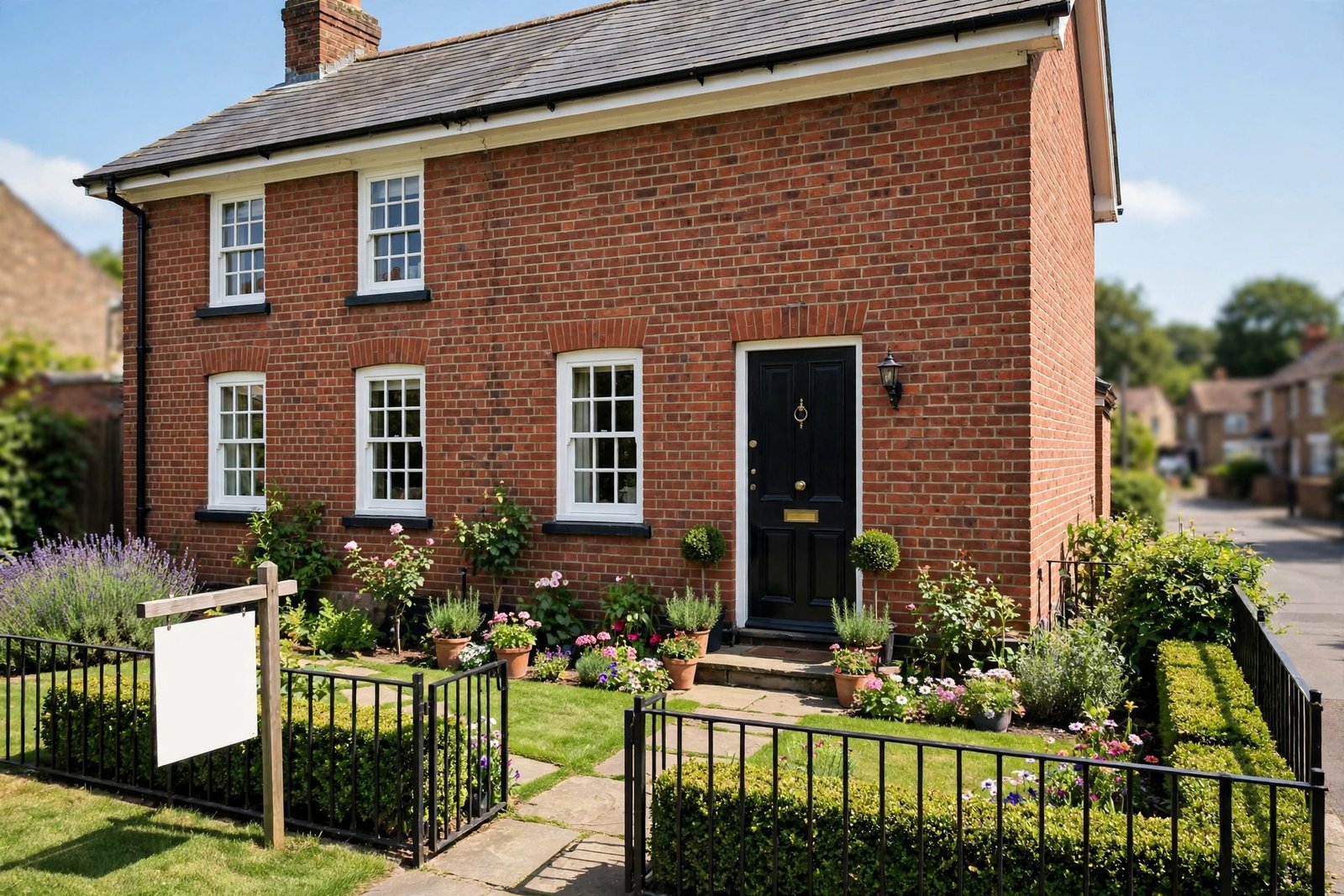
Estate agents typically charge 1–1.5% of your sale price — on a £400,000 Oxford home, that’s £4,000–£6,000 plus VAT for work many sellers suspect they could do themselves. Online listings, smartphone photography, and a hot property market make going solo tempting. Yet most sellers who try it discover the job is harder than it looks, and a meaningful number end up calling an agent halfway through. Why is selling your house without an estate agent so hard — and when is it actually worth attempting?
What Estate Agents Actually Do (Beyond the Obvious)
Sellers tend to picture the agent’s job as “take photos, list on Rightmove, show people round.” The visible work is maybe a third of it. The hidden two-thirds: pricing strategy (pitching the asking price to generate competition without deterring viewers — get this wrong and the property stagnates), buyer qualification (filtering out time-wasters, chain-checking, confirming mortgage agreements in principle), viewing management (evenings, weekends, no-shows, feedback loops), negotiation (handling low offers, bidding situations, and buyers who renegotiate after surveys), and sale progression (chasing solicitors, managing chains, rescuing deals that wobble between offer and exchange).
Sale progression is the killer task. Roughly a third of agreed sales in England fall through before completion, and resurrecting them requires persistent, skilled chasing across solicitors, surveyors, and everyone in the chain. Doing this yourself while working full-time is where most private sellers break.
The Portal Problem: Getting Seen Without an Agent
Here’s the structural obstacle: Rightmove and Zoopla don’t accept private listings directly. The UK’s two dominant property portals only list through agents. As a private seller, you’re locked out of where ~95% of buyers search — unless you use an online or hybrid agent, which rather defeats the purpose of going solo.
Workarounds exist but they’re weaker: listing on smaller private-sale sites, social media marketing, and good old-fashioned “for sale” boards. In a genuinely hot micro-market (a sought-after Oxford street where anything sells in days), this can suffice. Everywhere else, reduced visibility means fewer viewers, less competition, and ultimately a lower price — which can easily cost more than the agent’s fee you saved.
Valuation: The Expensive Guessing Game
Agents earn their fee partly through pricing intelligence — sold prices (not asking prices) of genuinely comparable properties, adjusted for condition, aspect, and micro-location. Private sellers systematically overvalue their own homes (emotional attachment plus focusing on the nicest comparables), and overpriced properties go stale: listings linger, buyers assume something’s wrong, and eventual reductions signal desperation.
The costly irony: saving £5,000 in fees while achieving £15,000 less than an agent would have secured is a £10,000 mistake. If you go solo, get three agents’ valuations anyway (free), research Land Registry sold prices for your exact street on the government’s buying and selling guidance pages, and price to generate competition, not to test the market’s patience.
The Legal and Admin Minefield
Selling involves an Energy Performance Certificate (legally required before marketing), property information forms (TA6, TA7, TA10 — detailed disclosures where errors can have legal consequences), anti-money-laundering checks on buyers, and coordination with your conveyancer. None of this is conceptually hard, but it’s fiddly, time-sensitive, and unforgiving of mistakes. Agents do it weekly; you’ll do it once or twice in a lifetime.
Viewings bring their own challenges: security (strangers in your home — verify identities and never conduct viewings alone; see how to improve home security on a budget for related thinking), feedback (buyers won’t tell you to your face what they tell an agent), and negotiation psychology (it’s far harder to stay detached negotiating the price of your own home with someone standing in your living room).
Marketing Your Home Yourself: What Actually Works
If you go solo, marketing quality decides everything. Photography is non-negotiable — hire a professional (£150–£300). Phone snaps cost you viewings; this is the worst place to economise. Shoot on a bright day, all lights on, decluttered rooms, and include floor plans (buyers filter listings without them).
The listing description should lead with the three strongest features and concrete details (school catchments, transport times, recent improvements) rather than estate-agent clichés. Social media can work hyper-locally: community Facebook groups and local Instagram pages reach buyers already interested in your area — but reach is a fraction of portal traffic, so treat it as a supplement, not a strategy.
The for-sale board still matters — a surprising share of buyers first notice a property by walking or driving past. And accompanied viewings need a system: fixed viewing slots, confirmation messages, and a feedback request after each one. What you can’t replicate is an agent’s buyer database — the list of registered applicants waiting for exactly your property type. That’s invisible inventory no private seller can access.
When Going Solo Can Actually Work
Private sale isn’t always folly. It can work when: you have a ready buyer (a neighbour, friend, or tenant — no marketing needed); you’re in a white-hot micro-market where properties sell themselves; the property is unusual enough that specialist marketing beats portal listings (and you know the niche channels); or you’re an experienced landlord or developer who does this routinely.
The middle path — online/hybrid agents charging £500–£1,500 fixed fees with portal access — captures most of the saving with far less pain, and is what most “sell without an agent” sellers actually end up using. For a data-driven look at how the industry is changing, read how UK estate agents are using AI to sell homes. And the MoneyHelper home-buying guides walk through the financial side clearly.
Conclusion
Selling without an estate agent is hard because the job is bigger than it looks: portal access, pricing intelligence, buyer qualification, negotiation, and the relentless admin of sale progression. In exceptional circumstances — a ready buyer, a scorching market — going solo pays. For everyone else, the realistic choice is between a traditional agent’s percentage and a fixed-fee online agent’s portal access. Either way, go in understanding what the fee actually buys, and you’ll make the decision with eyes open rather than wallet shut.
Frequently Asked Questions
Can I list my house on Rightmove myself?
No — Rightmove and Zoopla only accept listings through estate agents. Private sellers must use an online/hybrid agent for portal access or rely on smaller private-sale sites and social media.
How much do estate agents charge in the UK?
Traditional high-street agents typically charge 1–1.5% of the sale price plus VAT (sole agency). Online agents charge fixed fees around £500–£1,500. Multi-agency agreements cost more but are rarely necessary.
Do I need an EPC to sell my house?
Yes — an Energy Performance Certificate is legally required before you market the property, and it must be available to prospective buyers. They’re valid for 10 years and cost around £60–£120.
What percentage of house sales fall through?
Roughly a quarter to a third of agreed sales in England and Wales fall through before exchange, most commonly due to chain breaks, survey issues, or gazundering. This is the stage where agents earn much of their fee.
Is it cheaper to sell at auction instead?
Auction can be cheaper in fees and much faster, but properties often achieve below market value and buyers factor in their own costs. It suits properties needing work or sellers prioritising speed over price.