What are the best stretches for lower back pain in the UK? Lower back pain is the nation’s most common musculoskeletal complaint — around 8 in 10 of us get it at some point, and desk work has made it a daily companion for millions. I’ve cycled through the whole repertoire: the tentative morning stretches, the YouTube yoga videos, the “just crack it and hope” approach. What actually works, according to physios, is a short, consistent routine of gentle stretches and mobility work — not heroic contortions, not bed rest. Here’s the routine worth doing.
Important first: most lower back pain is “non-specific” — achy, stiff, no nerve symptoms — and it responds well to gentle movement. See a GP promptly if you have numbness, tingling or weakness in the legs, loss of bladder/bowel control, pain after significant trauma, unexplained weight loss, or pain that’s severe and unrelenting. Those are red flags, not stretching situations. Everyone else: gentle movement is not just safe, it’s the recommended treatment — bed rest is officially out.
What are the best stretches for lower back pain UK: the 10-minute routine
Do this once or twice daily. Move gently — stretching should feel like a pull, never sharp pain. Breathe slowly throughout; each exhale lets you ease a fraction deeper.
1. Knee-to-chest (x5 each side, hold 20–30 seconds). Lie on your back, pull one knee gently toward your chest, keeping the other foot flat. This decompresses the lower spine and stretches the glutes. The single best starter stretch.
2. Pelvic tilts (x10–15). Lying down, knees bent, gently flatten your lower back into the floor by tightening your stomach muscles, hold 5 seconds, release. Wakes up the deep core muscles that support the spine — boring-looking, extremely effective.
3. Cat-cow (x10 slow rounds). On all fours, alternate arching your back up (cat) and dipping it down (cow). Mobilises the whole spine gently. Great first thing in the morning when everything’s stiff.
4. Child’s pose (hold 30–60 seconds). Knees wide, sit back toward heels, arms stretched forward. Lengthens the lower back beautifully. If your knees complain, put a cushion between calves and thighs.
5. Piriformis / figure-4 stretch (x2 each side, 30 seconds). Lying down, cross one ankle over the opposite knee and gently pull the bottom leg toward you. Targets the deep glute muscle that can irritate the sciatic nerve — often the hidden culprit in “back” pain that’s really buttock/leg pain.
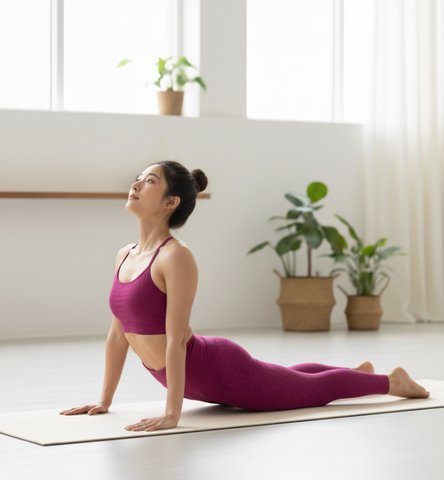
6. Sphinx / gentle back extension (hold 10–30 seconds, x5). Lie face down, prop up on your elbows. Gently extends the lower back — particularly good if sitting all day has you stuck in flexion. Stop if it causes leg symptoms.
7. Supine twist (x2 each side, 30 seconds). Lying down, drop both bent knees to one side, arms out. Rotates the lower back gently. Keep shoulders on the floor.
Beyond stretching: what actually fixes backs long-term
Stretching relieves symptoms; strength prevents recurrence. The research is clear: backs get better and stay better with strong core and glute muscles. Two additions worth making once the acute ache settles:
- Walking: the most underrated back therapy. Regular walking — especially brisk — is consistently linked to fewer back pain episodes. Start with what is the best way to start exercising after years of inactivity if you’re currently sedentary.
- Core and glute strength: dead bugs, glute bridges, bird-dogs — 10 minutes, twice a week. These are the muscles that hold your spine up all day; desk work lets them switch off, and pain follows.
Also address the daytime cause: 8 hours of sitting in a bad setup will undo any amount of stretching. how do i improve my posture at a desk job fixes the ergonomics, and is it worth getting a standing desk for back pain covers whether sit-stand is worth the money. Stretching treats the symptom; setup treats the cause.
Heat, cold, and pain relief
Heat (hot water bottle, warm bath, heat patch) relaxes muscle spasm and is most people’s best friend for achy backs. Cold suits sharp, recent injuries. Over-the-counter painkillers — paracetamol or ibuprofen — can help you stay mobile in the first few days; staying mobile matters more than the tablets. Pharmacists give free advice on what’s appropriate. The NHS back pain guide is the authoritative reference for self-care and red flags.
When to get professional help
- Pain persisting beyond 6 weeks despite self-care
- Repeated episodes that keep coming back
- Pain radiating down the leg below the knee, numbness, or weakness
- Any red-flag symptoms (bladder/bowel changes, saddle numbness, severe trauma, unexplained weight loss, fever with back pain)
Your GP can refer you to NHS physiotherapy — you don’t need to pay privately, though waits vary. A good physio doesn’t just treat the pain; they find why it keeps happening and give you a prevention plan. That’s the appointment worth having.
Yoga and Pilates for backs: worth it?
Both have good evidence for chronic lower back pain — not because of mystique, but because they combine gentle mobility, core strength and body awareness. A beginner-friendly yoga or Pilates class (in-person beats YouTube for form correction) once a week complements the home routine nicely. Look for classes labelled “gentle”, “beginners” or “back care” — advanced vinyasa with deep backbends is not what your sore back needs.
The McKenzie method (extension-based exercises, often prescribed by physios) deserves a mention: for certain types of back pain — especially pain that radiates into the leg — repeated gentle back extensions can centralise symptoms remarkably fast. It’s not DIY diagnosis, but if your physio mentions McKenzie exercises, do them diligently; they’re among the most effective tools in the back-pain arsenal.
The takeaway
The best stretches for lower back pain are knee-to-chest, pelvic tilts, cat-cow, child’s pose, piriformis stretch, sphinx and supine twists — 10 minutes, daily, gently. Add walking and core strength for long-term prevention, fix your desk setup to stop causing it, use heat for comfort, and see a GP or physio if it persists or comes with red flags. Backs love movement and hate stillness — give yours what it wants.