The honest answer: the only treatment proven to smooth frown lines quickly is botulinum toxin — Botox. It relaxes the muscles between your eyebrows, and visible softening usually shows within a week or two of treatment. But injections aren’t the whole story. Daily sunscreen, a retinoid used at night, and tackling the unconscious frowning habit itself can fade those “11s” meaningfully without a needle — and they protect whatever results you get from any treatment.
Frown lines, properly called glabellar lines, are the vertical creases that appear between the eyebrows. Here’s what causes them and what genuinely works.
What frown lines actually are
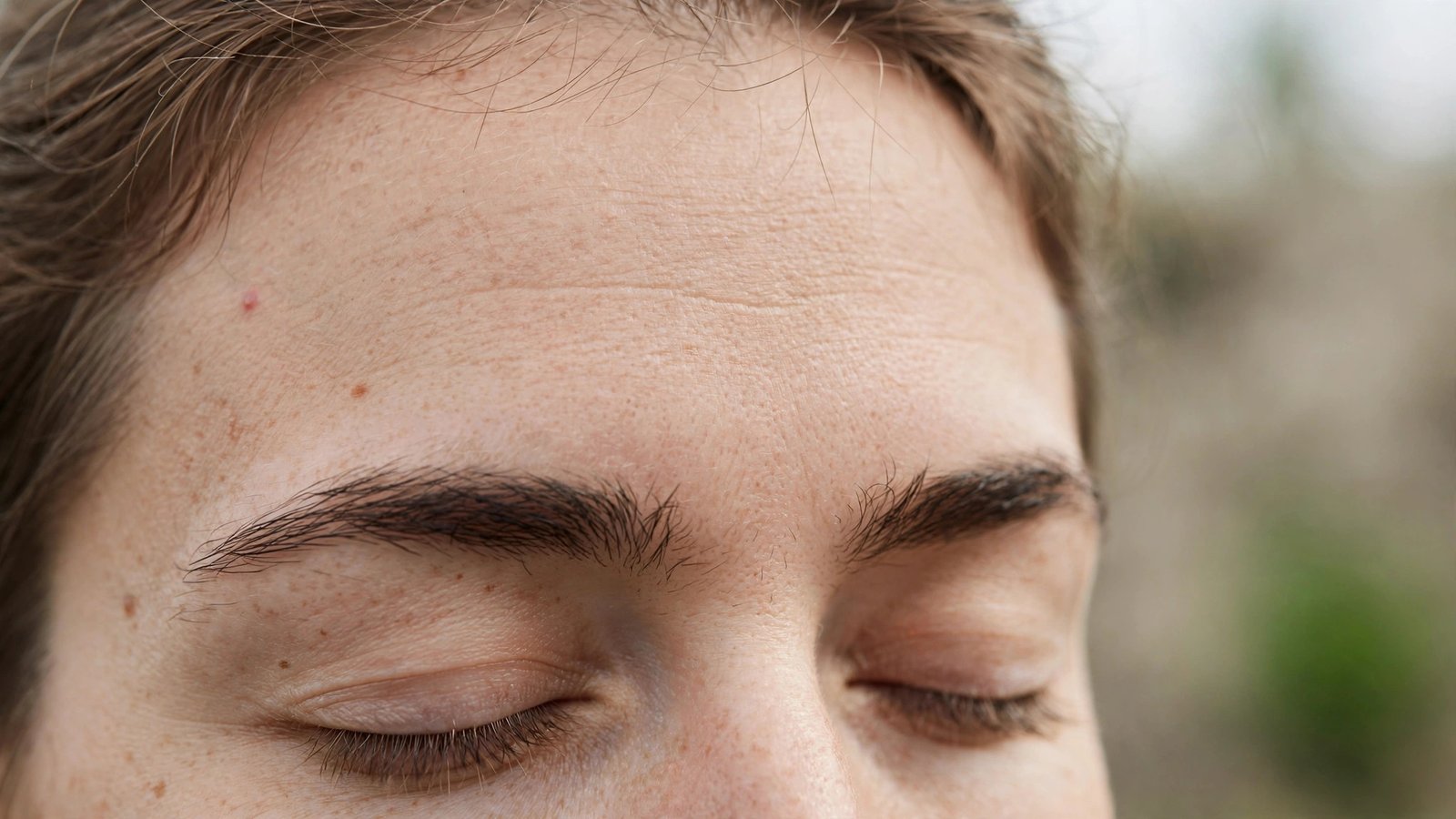
Every time you frown, squint, or concentrate, two small muscles — the corrugator and procerus — pull your brows together and down. In your twenties the skin springs back. With repetition, sun damage, and the natural loss of collagen from your thirties onward, the creases start lingering after the expression fades. Dermatologists distinguish dynamic lines (visible only when you frown — the easiest to treat) from static lines (etched in at rest, which need more work).
Genetics plays a bigger role than most people realise. If your parents had deep elevenses by forty, you’re more likely to follow suit regardless of how cheerful your disposition is.
The options, ranked by evidence
Botulinum toxin injections
This is the gold standard, and it’s not close. Small, precise doses into the frown muscles weaken them just enough that they can’t crease the skin, while leaving natural expression intact when done well. Results appear in 3–7 days, peak at about two weeks, and last three to four months.
In the UK, botulinum toxin is a prescription-only medicine: it must be prescribed by a doctor, dentist, prescribing nurse, or pharmacist prescriber after a face-to-face consultation, even if someone else administers it. The NHS advises choosing a practitioner who is medically qualified and experienced, and checking that the clinic is registered with the relevant regulator. Expect to pay £150–£350 for frown-line treatment at a reputable clinic. Bargain deals and “Botox parties” are red flags — this is a medical procedure, not a beauty treatment.
Daily sunscreen — the unglamorous hero
Up to 80% of visible facial ageing comes from ultraviolet exposure, and frown lines are no exception: UV breaks down the collagen that keeps the skin between your brows smooth. A broad-spectrum SPF 30 or higher, worn every day — yes, in a British February too — is the single most effective anti-ageing step that costs almost nothing. It won’t erase deep existing lines, but it stops them deepening and protects the results of everything else you do.
Retinoids at night
Prescription tretinoin and over-the-counter retinol are among the few skincare ingredients with robust evidence for rebuilding collagen and softening fine lines. They work slowly — expect 3 to 6 months of consistent nightly use before judging — and they make skin sun-sensitive, which is another reason the sunscreen matters. Start with a low strength a few nights a week; irritation means you’re going too fast, not that it’s working better.
Fillers and skin treatments
For static lines etched deeply at rest, dermal fillers can plump the crease directly — but the glabellar area carries a small risk of serious vascular complications, so this is firmly a job for an experienced medical practitioner, not a high-street salon. Professional options like microneedling, chemical peels, and laser resurfacing stimulate collagen over several months and suit people who want improvement without injectables. Results are gradual and subtler than Botox.
The habits that make them worse
Treatment aside, several everyday habits carve those lines deeper. Squinting at screens is a major one — if you catch yourself frowning at your laptop, your monitor may be too dim, too far away, or you may need an eye test. Stress-related brow tension, smoking (which impairs collagen and the repetitive lip pursing doesn’t help), and sleeping face-down with the brow compressed into the pillow all contribute. None of these will be solved by an expensive serum alone.
Related concerns are covered in our guides on how to remove under-eye bags, how to reduce acne naturally, and how long laser hair removal lasts. For the official safety picture, see the NHS guide to Botox injections.
FAQs
How long does Botox last for frown lines?
Typically three to four months. With repeated treatments the muscles weaken slightly, and many people find they can stretch the interval a little longer over time — though the effect always wears off eventually.
Is Botox for frown lines safe?
When administered by a qualified medical professional using genuine prescription product, it has a strong safety record spanning decades. The main risks come from unqualified injectors: drooping eyelids, asymmetry, or infection. In the UK, always confirm the prescriber’s credentials.
Can moisturiser get rid of frown lines?
No moisturiser can relax a muscle or rebuild collagen to the depth needed for established lines. Good hydration plumps the skin surface and can make fine lines look softer temporarily, but it won’t remove genuine frown lines.
At what age do frown lines usually appear?
Dynamic lines often show in the late twenties to early thirties, with static lines commonly established by the late thirties or forties. Sun exposure, genetics, and how expressive you are all shift the timeline.
Do facial exercises help frown lines?
The evidence is thin. Since frown lines are caused by muscle overactivity, exercises that work those same muscles could theoretically make them worse. Relaxation of the brow area — and treating the underlying muscle activity — is the better-supported approach.