Golf has a reputation as a rich person's game — £1,000 club memberships, £400 drivers, lessons at £60 an hour. The reputation is outdated. In Leeds in 2026, you can build a genuinely good golf swing for the price of a few takeaways, using municipal courses, free drills, affordable practice facilities, and the wealth of instruction available for nothing online.
Improving your swing on a budget is not about cheap shortcuts; it is about spending wisely on the few things that matter (decent fundamentals, some practice balls, maybe one lesson) and ignoring the equipment arms race entirely. Here is how.
The Free Fundamentals (80% of Improvement)
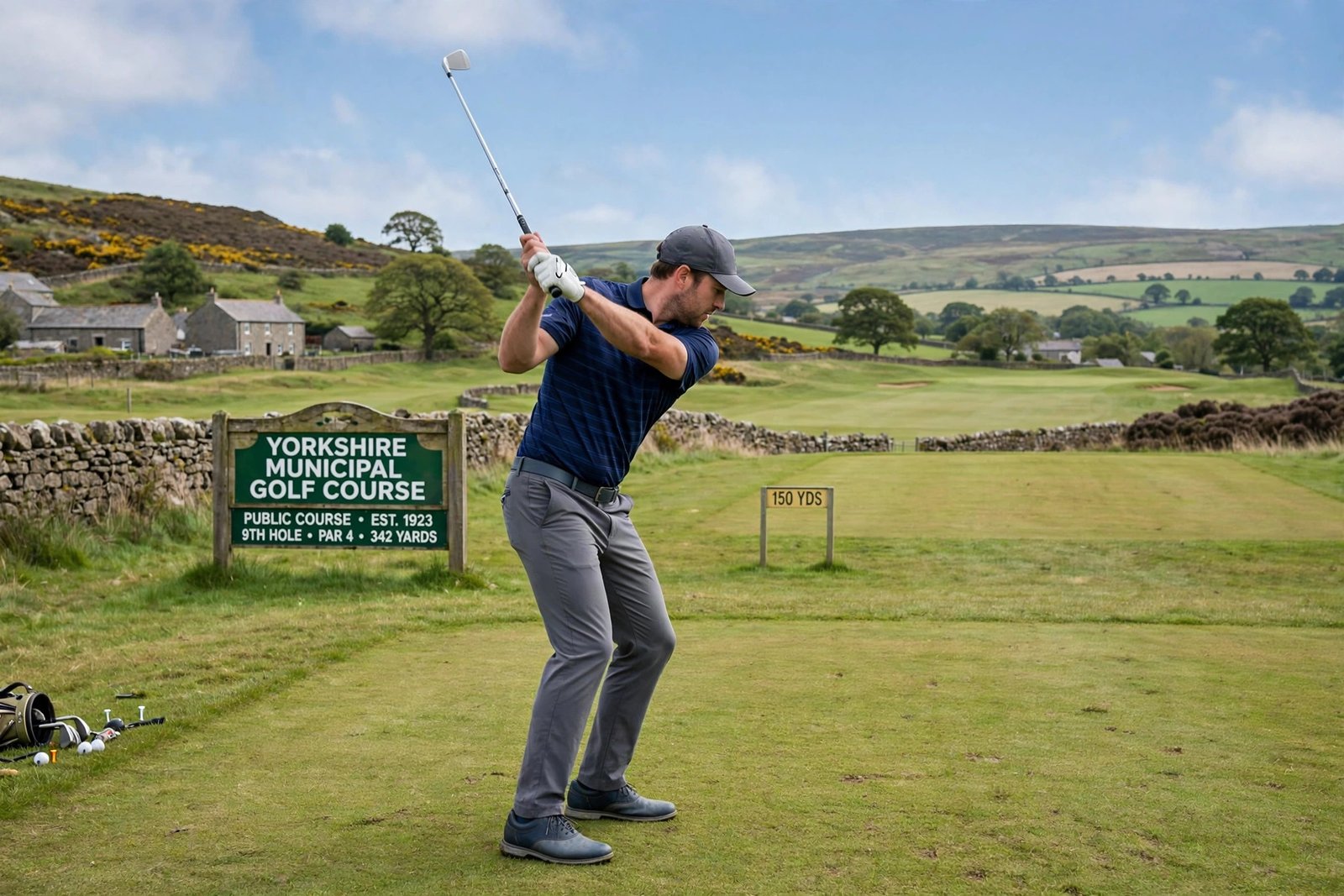
Most amateur swing faults come from three fundamentals that cost nothing to fix: grip, posture, and alignment. Grip: the club should sit in the fingers, not the palms, with the 'V's of both hands pointing roughly at your right shoulder (for right-handers). A wrong grip — too strong, too weak, too palmy — corrupts everything downstream, and fixing it feels awful for two weeks before feeling miraculous.
Posture: athletic stance, knees flexed, spine tilted forward from the hips (not hunched from the shoulders), arms hanging naturally. Alignment: clubface, feet, hips, and shoulders parallel to the target line — most amateurs aim right and swing left to compensate, building a lifetime fault. Check alignment with two clubs laid on the ground; five minutes of this drill fixes more slices than any new driver.
Tempo: the cheapest swing thought in golf. Most amateurs swing too fast, especially the downswing. The classic drill — 'low and slow' takeaway, smooth transition — costs nothing and cures the over-the-top move behind most slices. Film your swing with your phone (free) and compare against slow-motion pro swings on YouTube (free).
The 7-iron is the beginner's best friend: enough loft to get airborne easily, short enough to control, and the classic club for learning the swing motion. Groove your fundamentals with the 7-iron before expanding to longer clubs — most practice should happen here. When your 7-iron flies straight and consistent, the rest of the bag follows far more easily than working backwards from the driver.
Leeds Practice on a Budget
Driving ranges: Leeds has several affordable options — municipal and independent ranges typically charge £4–£8 per 50–100 balls, far cheaper than southern equivalents. Off-peak hours (weekday mornings) are often discounted. One focused bucket weekly beats three mindless buckets; quality of practice dwarfs quantity.
Practice with purpose: never just 'hit balls'. Work in blocks — 10 balls on alignment drill, 10 on tempo, 10 on a specific shot shape. End every session with your 'go-to' shot to leave confident. And practise the short game most: putting and chipping are free (or nearly) and account for 60%+ of shots — the fastest route to lower scores is boringly unglamorous.
Municipal courses: Leeds City Council courses and affordable clubs in West Yorkshire offer some of the cheapest golf in England — 18 holes for £15–£25, with off-peak and twilight rates lower still. England Golf lists affiliated clubs and beginner programmes, including Get Into Golf initiatives designed for newcomers.
The One Lesson Worth Paying For
If your budget allows a single splurge, make it one lesson with a PGA professional (£30–£50 for 30–60 minutes in Leeds, often cheaper in group clinics). One lesson diagnosing your specific faults beats a year of generic YouTube tips — because your faults are specific, and generic advice often fixes problems you do not have while missing the ones you do.
Maximise it: film your current swing beforehand, arrive with specific questions ('why do I slice my driver?'), take notes (or ask to film the lesson), and leave with 2–3 drills maximum. Then practise those drills for a month before considering lesson two. Group lessons (£10–£20 per session) offer most of the benefit at a fraction of the cost.
Free alternatives: many ranges run free demo days and taster sessions; golf clubs host open days; and YouTube instruction from reputable coaches (look for PGA credentials, clear explanations, and drills you can actually do) is genuinely excellent for fundamentals — just avoid 'quick fix' channels promising overnight transformation.
Equipment: What Matters and What Does Not
What matters: clubs that roughly fit (length and lie — a basic static fitting is often free with purchase), a putter you like looking at, and shoes with grip. What does not matter at beginner-to-intermediate level: the latest driver technology, premium balls (lose cheap ones without grief — refurbished lake balls at £0.50 each play fine), or matching sets.
Buy second-hand: Leeds charity shops, Facebook Marketplace, and golf-specific resale sites offer quality used clubs at 20–30% of retail. A five-year-old set of name-brand irons (£80–£150 used) outperforms a new budget box set in every meaningful way. Get grips replaced (£5–£8 per club) — worn grips are a hidden cause of poor shots.
The honest equipment truth: until you break 90 consistently, equipment differences are noise compared to swing differences. BBC Sport golf coverage shows pros winning with decade-old putter designs — the archer matters more than the arrow, and the archer improves through practice, not purchases.
The Budget Improvement Plan
Month 1–2: fix grip, posture, alignment (free drills, phone filming). One bucket of range balls weekly (£20–£30/month). Short-game practice at the municipal putting green (often free). Month 3: one professional lesson (£30–£50) to diagnose remaining faults; practise the prescribed drills for a month.
Month 4–6: structured practice — two range sessions monthly plus one round monthly on a municipal course (£15–£25). Total monthly cost: £35–£60, less than most gym memberships. Track progress simply: fairways hit, greens in regulation, putts per round — three numbers that reveal exactly what to practise.
Watching live sport on the cheap applies to golf too — and staying motivated to exercise in winter matters for year-round golfers, since Yorkshire winters test commitment. The swing you build on a budget, through fundamentals and deliberate practice, is the same swing money cannot buy.
Frequently Asked Questions
How much does it cost to improve at golf in Leeds?
£35–£60 a month covers weekly range balls, monthly municipal rounds, and an occasional lesson — enough for genuine improvement. The fundamentals (grip, posture, alignment drills) are free.
Are golf lessons worth it for beginners?
One lesson with a PGA pro (£30–£50) to diagnose your specific faults is the highest-value purchase in golf. Generic tips can't replace eyes on your actual swing.
Should beginners buy expensive golf clubs?
No. Quality second-hand clubs (£80–£150 for irons) outperform new budget sets. Until you break 90, swing improvements dwarf equipment differences.
How often should I practise golf?
One focused range session weekly plus short-game practice beats sporadic marathons. Consistency and deliberate drills matter far more than volume.
What is the best club for a beginner to practise with?
The 7-iron — mid-length, forgiving loft, and ideal for grooving swing fundamentals. Spend most practice time here before touching longer clubs or the driver. Many coaches suggest beginners could play entire rounds with just a 7-iron, putter, and one wedge while learning.
Conclusion
Improving your golf swing on a budget in Leeds means mastering the free fundamentals (grip, posture, alignment, tempo), practising deliberately at affordable municipal facilities, investing in one good lesson, and buying second-hand equipment.
The total: £35–£60 a month for real, measurable improvement. Golf's expensive reputation is the most expensive thing about it — and the easiest to ignore.