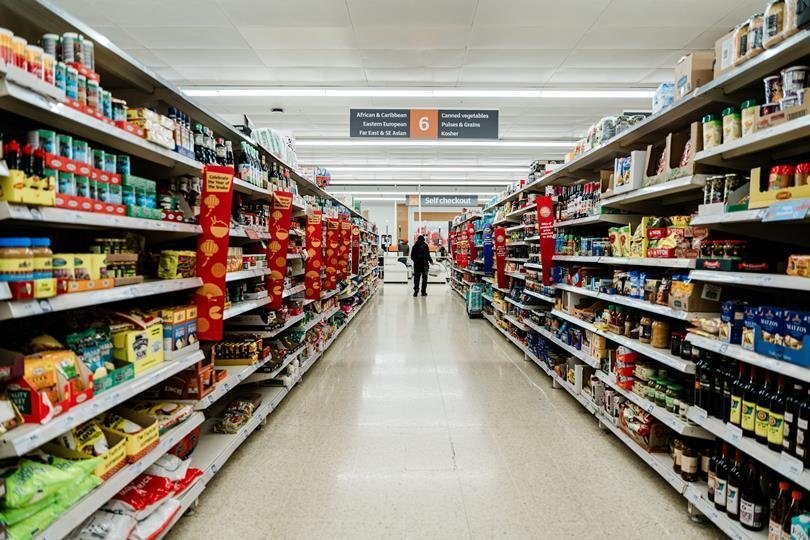
Ranking the best budget supermarkets in the uk for families isn’t just about the headline prices — it’s about which one you’ll actually enjoy shopping in every week, because the cheapest shop is the one you stick with. I’ve done full weekly shops at all the main contenders over the years, receipt by receipt, and the differences are more interesting than you’d expect.
A quick framing: “budget” here means Aldi and Lidl primarily, with Morrisons, Asda and Iceland competing hard on price at times. Tesco and Sainsbury’s fight back with loyalty schemes (Clubcard and Nectar prices), which complicates the picture. Here’s how they genuinely compare for a family shop.
The best budget supermarkets in the UK for families, compared
Aldi remains the price champion for a like-for-like basket in most independent comparisons — typically 20-30% cheaper than the big four on own-brand equivalents. Its middle aisle (Specialbuys) is dangerous for budgets but brilliant for cheap kitchen kit, toys and garden gear. Lidl runs Aldi very close on price and wins on bakery — the in-store bakery is genuinely excellent and cheap — plus its weekly themed food events (Italian week, Greek week) make meal planning fun. Quality at both has improved enormously: their award-winning wines, fresh meat and dairy regularly beat premium brands in blind tests. Morrisons is the best of the traditional supermarkets for families who want familiar brands cheap — strong on fresh meat and fish counters, and its loyalty scheme is decent. Asda competes aggressively on branded goods prices, and Iceland deserves a mention for frozen food: for families who batch-cook, its frozen veg, meat and ready meals offer unbeatable value per portion. Which? publishes a respected cheapest supermarket comparison that’s worth checking before you commit.
Making the switch work for your family
Don’t try to move your entire shop in one go — that’s how people bounce back to Tesco by week three. Start by shifting the cupboard staples and cleaning products (the easiest like-for-like swaps), then fresh meat and dairy, then fruit and veg once you trust the quality. Keep one “top-up” shop at your old supermarket for the specific brands the kids won’t give up — every family has them, and the savings survive a few branded holdouts. Time your visit: Aldi and Lidl restock Specialbuys on Thursdays and Sundays, and weekday mornings are calmest with kids. Bring bags (they charge) and a pound coin for the trolley — or grab one of the reusable trolley tokens. And download the Lidl Plus app: the weekly coupons genuinely stack up to a few pounds off. Whether the switch is worth it overall is its own question — switching to a budget supermarket digs into the maths.
Budget supermarket family playbook
- Start with cupboard staples and cleaning products — the easiest swaps with zero quality risk.
- Aldi usually wins on basket price; Lidl wins on bakery and themed weeks. Many families alternate between the two.
- Keep a small top-up shop for non-negotiable brands. A few branded holdouts don’t erase 25% savings elsewhere.
- Shop Specialbuys day (Thu/Sun) for cheap kitchen kit, toys and seasonal gear — but go with a list, not a whim.
- Use the apps: Lidl Plus coupons and Morrisons’ loyalty offers add up to real money over a month.
- Bring bags and a trolley token. Budget stores charge for bags and need £1 (or a token) for trolleys.
- Try the award-winners: budget supermarket wines, cheeses and fresh meat regularly beat premium brands in blind tests.
Budget supermarket mistakes
- Switching everything overnight. The shock of unfamiliar brands sends many families straight back — transition over 3-4 weeks.
- Specialbuy impulse spending. A £30 air fryer “bargain” wipes out weeks of grocery savings. List only, every time.
- Assuming cheapest always wins. Factor in travel: driving 20 minutes past your usual store to save £3 is false economy.
The quality question, answered honestly
Let’s address the snobbery head-on: is the food actually as good? On own-brand staples — pasta, rice, tinned tomatoes, oats, milk, eggs — blind tests consistently can’t distinguish budget from premium, because they’re often made in the same factories. Fresh meat at Aldi and Lidl regularly wins industry awards; their steaks and joints have beaten Waitrose in blind tastings. The bakery (especially Lidl’s) is genuinely excellent — the sourdough and croissants embarrass supermarkets charging twice the price. Where the gap is real: the range is narrower (three types of pesto, not twelve), the fresh herb selection is limited, and some specific branded products just aren’t stocked.
The adjustment is mostly psychological. The first shop feels strange — unfamiliar packaging, the middle aisle’s chaos, the speed of the checkout. By the fourth shop, it’s normal, and most converts report the same surprise: the food is fine, the bill is 25% lower, and they can’t remember what the fuss was about. The one legitimate complaint is the ‘weekly shop in one store’ problem: if you need something specific (a particular spice, a brand the kids insist on), you might need a second stop. The solution most families land on: Aldi/Lidl for 80% of the shop, a monthly top-up elsewhere for the irreplaceables. You keep almost all the saving with almost none of the compromise — which is why the converts rarely go back.
Frequently asked questions
Is Aldi or Lidl cheaper in the UK?
They trade blows, but Aldi usually edges it on a like-for-like basket by a small margin. Lidl fights back with bakery quality and app coupons — most saving-focused families shop both.
Is food quality worse at budget supermarkets?
Generally no — not any more. Their fresh meat, dairy and many own-brand lines win blind taste tests against premium brands regularly. The gap is in range (fewer choices), not quality.
For most families, Aldi or Lidl as the main shop plus a small top-up elsewhere is the sweet spot — 20-30% cheaper, quality you won’t notice dropping, and the kids adapt faster than you’d think. Transition gradually, use the apps, and respect the Specialbuys danger. Still on the fence? switching to a budget supermarket runs the numbers on whether switching is worth it for you. For the weekly tactics that stack with the switch, see saving money on the weekly food shop.